

Author
Taylor Brewser
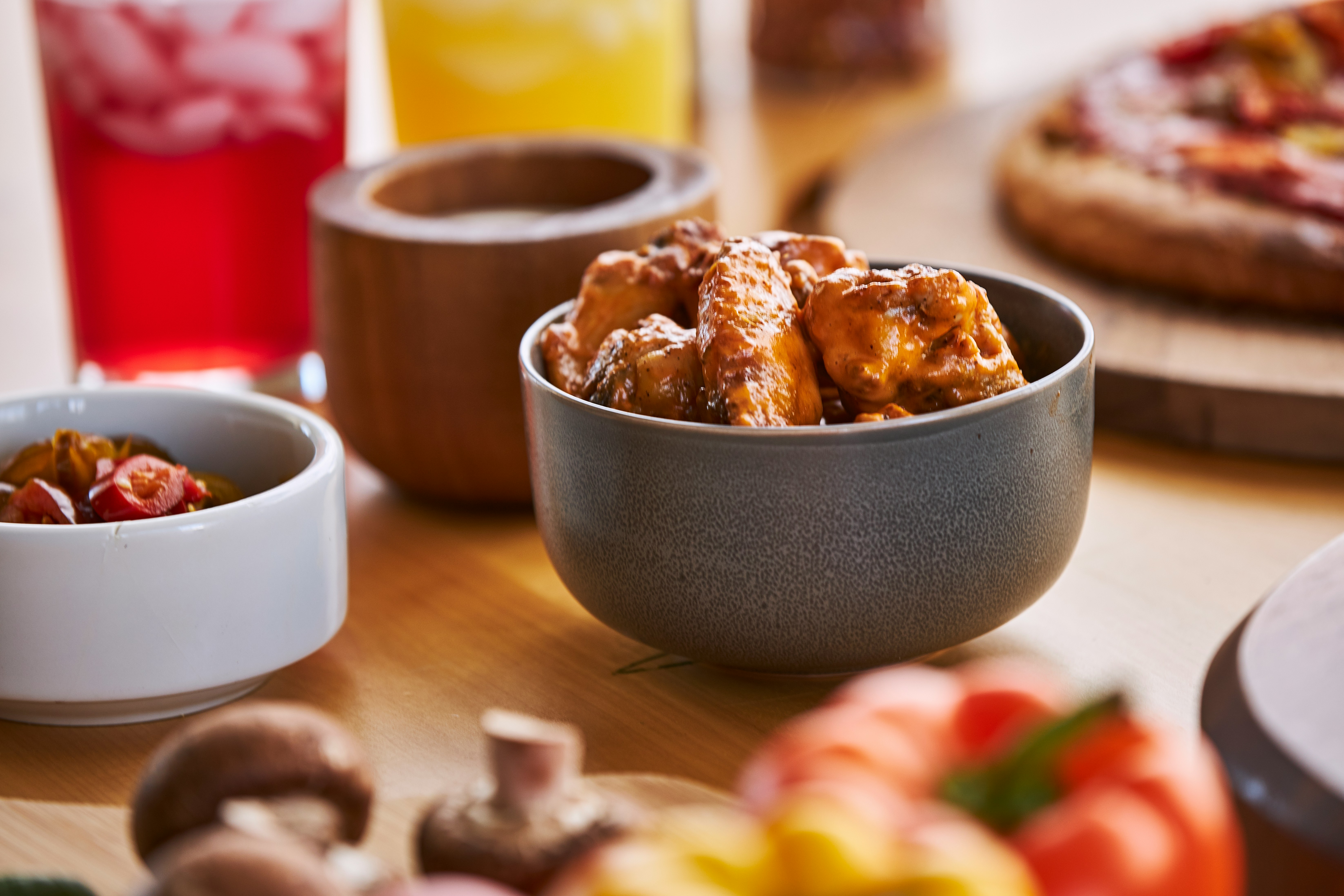
Want to rank #1 when hungry locals search "food delivery near me"? Learn the SEO secrets that drive high-intent traffic directly to your restaurant's website.
It is the most coveted phrase in the restaurant industry. Every single day, millions of hungry customers pull out their phones and type four magic words into Google: "Food delivery near me."
These aren't window shoppers. These are people with credit cards in hand, looking to buy right now. Ranking for this keyword is the digital equivalent of having the best real estate on Main Street. But for too long, independent restaurants have ceded this ground to third-party giants like Grubhub and DoorDash. If you search for delivery in your town, you likely see their aggregators dominating the top results.
But you can fight back. And you can win.
The Psychology of "Near Me" Searches
Understanding the user intent is the first step to mastering this keyword. When someone searches "near me," Google prioritizes three things:
Relevance: Does your menu match what they want?
Distance: Are you physically close to them?
Prominence: Are you popular and well-reviewed?
Google wants to give the user the best possible answer. If you can prove to Google's algorithm that your restaurant is the best answer, you will leapfrog the aggregators.
Step 1: Optimize Your Google Business Profile
Your Google Business Profile (formerly GMB) is the anchor of your local SEO strategy. It is the "Map Pack" listing that appears at the very top of the search results, often above the standard blue links.
Categories: Ensure your primary category is specific (e.g., "Pizza Delivery" rather than just "Restaurant").
Attributes: Check the "Delivery" and "Takeout" attributes in your profile settings.
Menu: Upload your menu directly to Google.
Service Area: Define your delivery zone accurately.
Read More: Google My Business for Success
Step 2: On-Page SEO for Your Website
Your website needs to send clear signals to search engines. Many restaurant websites are just images of menus, which Google can't read.
Title Tags: Update your homepage title to include your city and main offering. Example: "Best Pizza Delivery in Dallas, TX | Joe’s Pizza"
Footer Address: Ensure your Name, Address, and Phone Number (NAP) are in the footer of every page.
Structured Data: Use "Schema Markup" to tell Google: "Hey, we are a restaurant, and here is our menu."
If your current website provider doesn't support Schema Markup or SEO-friendly text, it might be time to switch.
Learn: How to Rank Higher and Get More Direct Orders
Step 3: The "Landing Page" Strategy
Don't just rely on your homepage. Create specific pages for your top neighborhoods. If you are in Chicago, create a page titled "Food Delivery in Lincoln Park" and another for "Pizza Delivery in Wicker Park." Write 300-500 words about your delivery service to that specific area. This hyper-local content is kryptonite to big aggregators who only have generic automated pages.
Step 4: Citations and Consistency
Google validates your business by checking other directories. If Yelp says you are at "123 Main St" but TripAdvisor says "123 Main Street, Suite 100," Google gets confused. Ensure your business name, address, and phone number are identicalacross Yelp, TripAdvisor, Facebook, Apple Maps, and Bing.
The Result: Free Traffic
When you rank #1 for "food delivery near me," you stop paying for ads. You stop paying 30% commissions for exposure. You get the traffic for free, 24/7/365. It is an investment in digital real estate that pays dividends for years.
Give yourself a hometown advantage
Use the same tools national giants use to grow and dominate—tailored for your business. We bring the strategies that work for them, so you can scale like a pro.
See how we can help


Book Your Free Demo Now!
See how Town can grow your business without long-term commitments or complex systems. Start scaling today!